

An ethics programme proves its worth through measures of awareness, trust, response and outcomes
A single count of reports tells the board little, while a balanced set of measures read together shows whether the programme is working.
A single count of reports tells the board little, while a balanced set of measures read together shows whether the programme is working.
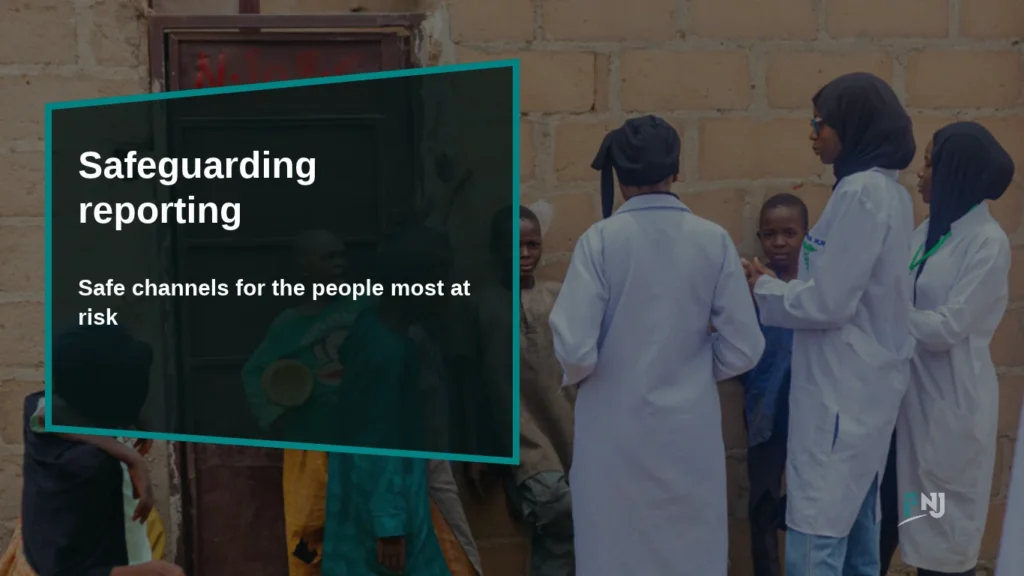
Accessible channels, a survivor-centred response and routes that bypass the people concerned give safeguarding policies the reach they are meant to have.

Triage criteria, predication, terms of reference and early preservation of evidence decide whether an investigation reaches a fair and defensible conclusion.

A readable code, scenario questions, specific disclosures and analysis of the results turn an annual click into evidence of an ethical culture.

Event-driven declarations, a management plan for every conflict and checks against supplier and payroll data catch what an annual form misses.

A policy that sets clear limits, raises the bar for public officials and tenders, and records every gift lets staff be courteous without exposing the organisation.

Staff decide whether to speak up by watching what happened to those who spoke before, so protection must be planned, monitored and reported.

Tips detect more fraud than any other method, but they keep coming only when each report is acknowledged, assessed and answered on time.
The hardest fraud to detect is the kind committed by the people an organisation trusts. Occupational fraud in Kenya, fraud
Procurement is where significant money meets human judgement, supplier relationships, and discretion, and that combination makes it one of the
Payroll is among the largest and most routine payments an organisation makes, and that is precisely why payroll fraud in
Fraud leaves traces in the data long before it surfaces in the accounts. The duplicate payment, the transaction structured just
Almost every fraud today leaves a digital trail. It lives in emails and messages, in system and access logs, on
For a not-for-profit organisation, fraud is never only a financial loss. It is a breach of the trust that donors,
Few moments test an NGO more than the discovery that donor funds may have been misappropriated. It arrives through a
For a not-for-profit organisation, a reporting channel does far more than catch fraud. It protects the communities the organisation serves,
A SACCO runs on something more fragile than capital: the trust of its members that their savings are safe. That
Establishing that fraud occurred is only half the story. The question every board, donor, and insurer asks next is the
An organisation can invest in the strongest controls available and still depend on something technology cannot replace: people who can
In a fintech, fraud does not surface in a quarterly review. It happens in milliseconds, at scale, across thousands of